Tuesday, November 26, 2019

Planning Ahead: How to Winterize Your Central Air Conditioner

After the hot months of summer, fall weather comes as a great relief for homeowners. In the excitement, many homeowners end up forgetting a crucial chore: winterizing the outdoor AC unit. Winters in New York can be harsh, and the HVAC unit has to withstand the cold, precipitation, snow, and ice.

Importance of Winterizing an Outdoor AC Unit

The corner of a roof with snow and ice falling from it

Winterization safeguards a central air conditioner from the elements to prevent rust, physical damage, and to keep it in perfect working condition throughout the cold season. It also prevents critters from nesting inside the unit, as this could lead to mechanical damage. HVAC manufacturers provide maintenance instructions for their products, which come handy for winterization. Following these instructions protects the manufacturer’s warranty and helps keep the unit in good condition.

Early fall is the ideal time for AC winterization since the weather is beautiful for working outdoors. The AC unit can also air-dry completely after being cleaned in this weather. For the process, a homeowner needs a fitted plastic or vinyl cover, bungee cords or vinyl rope, foam pipe covers, and duct tape. Here are the steps to follow for winterizing a central air conditioner.

Switching Off the HVAC Unit


The first step is to turn off the HVAC unit to prevent it from turning on automatically on warmer days. When this happens, water gets into the coils and freezes when temperatures fall causing rust and corrosion.

Washing the Air Conditioner


Homeowners should use a garden hose to clean and rinse the unit, removing dirt, dust, bugs, leaves, grass clippings, and other unwanted materials. The unit should dry completely before the next step.

Insulation


The exposed piping should be protected against the harsh winter weather. Installing foam pipe covers insulates the pipes and helps protect them from freezing.

Wrapping the AC Unit


Wrapping the AC unit using fitted waterproof plastic, a vinyl cover, or a specialized winterization cover offers maximum winter protection. To secure the protective cover, wrap vinyl ropes or bungee cords around the unit. Ensure that the unit is completely secured, as a loose covering can trap moisture and cause rust.

Winterizing Heat Pumps


If the outdoor unit is a heat pump and not solely an air conditioner with a separate indoor furnace, homeowners must turn the power back on after the unit has completely dried and keep the side vents and exhaust fan uncovered.

Regular Monitoring


The HVAC unit should not be forgotten after winterization. Regular monitoring is necessary to remove debris, snow, and water, and to secure the cover.

For the most reliable HVAC installation and servicing in Middletown, NY and the surrounding areas, Larson's Heating & Cooling, Inc is your one-stop-shop. With over 35 years in the industry, we have the resources and expertise to install or repair your HVAC system to keep you and your family comfortable year-round. Contact us today at 845-344-3030 for a free estimate.

Friday, September 6, 2019

Heat Pump Repair: Four Signs Service May Be Necessary

Heat pumps can save homeowners a lot of money on heating and cooling, but only if they're working efficiently. Certain signs indicate that heat pump repair may be necessary to keep equipment running as intended and increase its longevity.

Reduced Heating or Cooling


Some homeowners have noticed that their heat pumps seemed to be producing cooler temperatures the previous summer or that it's become more difficult to keep their houses warm in the winter. This problem shouldn't be ignored; potential causes include compressor malfunction, refrigerant leaks, or a heat pump that has reached the end of its lifespan.

Odd or Excessive Noises


While occasional noises inside the home are common due to the metal in ductwork expanding or contracting, regularly occurring odd noises from the unit itself may signify a problem that requires heat pump repair. Abnormal noises may include frequent rattling, humming, groaning, whistling, or popping.

Increased Electric Bills


Even if no other signs are evident, one of the first things that indicates a larger problem that may require heat pump repair is a sudden increase in electric bills. When the system works overtime to try to compensate for its malfunction, it uses more electricity, thus leading to higher bills. This may also be noticed in conjunction with reduced heating and cooling capacity.

Short Cycling


Low levels of refrigerant in an air pump can cause the system to work harder and sometimes overheat, which leads to short cycling. If a heat pump switches on and off too frequently, it likely needs repair.

Investing in a heat pump for your Orange County home is an efficient and eco-friendly choice that can help keep your family comfortable and your costs low. However, it's important to maintain it properly to ensure you're reaping the benefits. If you've noticed signs that you may be in need of heat pump repair, contact Larson's Heating & Cooling, Inc. today at 845-344-3030 for a free estimate.
Friday, August 2, 2019

HVAC Considerations When Buying a Home

When buying a new home, most people focus on location, curb appeal, and square footage. While a home's HVAC system may not be high on everyone's list of things to worry about when buying a home, there are good reasons why HVAC considerations should factor into the decision. Asking the right questions before the purchase can save homebuyers a bundle down the road. Here are a few things everyone should think about before purchasing a home.

Age and Upkeep


A person turning an a/c unit's temperature down

The easiest way for a homeowner to understand what kind of HVAC system they may be agreeing to purchase is to ask how old the system is and whether any major repairs or maintenance have been required. ACs and heating pumps generally need to be replaced every 10 years, while furnaces should be swapped out every 15. Regular maintenance can extend these timelines, so it's also important to ask if the HVAC components received annual (at least) servicing by a professional.

Utility Bills


It's also recommended that prospective buyers request a copy of the home's utility bills. Heating and cooling account for roughly half of the average home's utility costs, so checking the bills to make sure they aren't unusually high is a good way to make sure the heating and cooling systems are working as efficiently as possible.

Comfort in Every Room


Prospective buyers should pay attention to the air temperature and flow in every room as they tour a house. If some rooms feel stuffy or drafty, this could be a sign of a problem with the HVAC ducting. While this could be a simple fix, it may be a sign of leaking or poor insulation, which can end up costing buyers money each month.

Whatever problems your HVAC system throws at you, Larson's Heating & Cooling, Inc has you covered. We are your local heating and cooling experts and can handle everything from small fixes to whole furnace replacements. Keep your home comfortable year-round with HVAC services from Larson's Heating & Cooling, Inc. Call 845-344-3030 today for your free, no-obligation estimate.

Wednesday, December 12, 2018

Ways to Extend the Life of Your Furnace

Even the highest-quality appliances don’t last forever, and eventually, every furnace or air conditioner reaches the end of its life. There are a few factors that determine the longevity of a furnace, and understanding them can help homeowners avoid replacing the unit sooner than necessary.

Change the Filter Regularly 
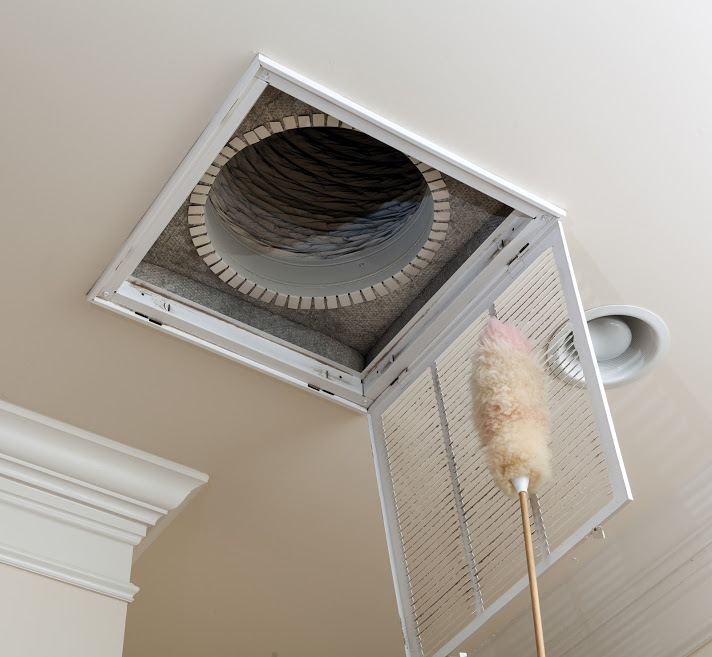
An open air vent being dusted


A dirty filter restricts airflow into the system, causing it to work overtime to produce the same amount of heat. Overheating reduces the life of the heat exchanger and could lead to a breakdown. Between yearly preventative maintenance appointments, homeowners should change their filters every one to two months, or according to the manufacturer’s specifications. A clean air filter makes for a healthy HVAC system.

Keep Coils Clean


Units with the air conditioning system and coil on top of the furnace should always have a clean coil to increase the lifespan of both the furnace and the coil itself. A clean coil prevents the drain from plugging and leaking condensation on the furnace beneath it. Failing to keep the coil clean can lead to rust and corrosion on the heat exchanger and damage to the system’s electrical components.

Reduce Moisture Levels


It isn’t just leaking condensation that can cause the heat exchanger to rust or corrode; high moisture levels are also a threat. High moisture levels are prevalent during humid weather and in homes with too much indoor humidity. A dehumidifier can help prevent that buildup of moisture and extend the life of the furnace.

Schedule Preventative Maintenance


During a yearly service appointment, a professional technician will inspect the system to ensure it’s operating according to the manufacturer’s guidelines and detect any potential issues with the heat exchanger, venting system, chimney, and other components. The technician will also check for carbon monoxide leaks, dirty ducts, and other issues that could cause health problems. Scheduling this appointment in the fall ensures the furnace can handle those sub-freezing winter temperatures. 

HVAC systems are costly to replace, even with financing, but taking proper care of yours will extend its life as long as possible. Larson’s Heating & Cooling, Inc has been providing HVAC services to Middletown, NY families for 35 years. Let us handle all your heating installation, service, and repair needs in preparation for the season. Contact us online or call 845-344-3030 today to schedule a preventative maintenance appointment.

Monday, September 17, 2018

Homebuyer's Guide to Inspecting an HVAC System

When shopping for a new home, buyers often worry that something will break as soon as they receive the keys—which is why the professional inspection is so important. However, there are a few things potential buyers should look for to know the condition of their new HVAC system.

Do a Quick Visual Inspection 
The front entrance to a home


When considering a house, buyers are usually most focused on the practical aspects, such as the layout of the kitchen or the number of bedrooms. As with many things, the HVAC system can be out of sight and out of mind—making it the last thing most people think about. Taking a peek at the system won’t give the buyer too much information, but it may be a good way to raise a few initial red flags if needed, especially if there are any signs of age or unusual noises. An older system will need replacement sooner and will likely lack the energy efficiency of newer ones, while unusual noises could indicate a serious problem within the system. These are concerns to raise during the professional inspection.

Note the Energy Label


While giving the heating and cooling equipment a quick once-over, the buyer should look for the yellow energy label, which lists the unit’s energy efficiency and operating costs as compared to similar units. Boilers and furnaces also show ratings based on several factors, including annual fuel utilization efficiency (AFUE). The most important thing to note here is that the rating assumes the unit is brand new, and unless it was properly maintained, it’s probably not as efficient as it states, which is something to consider as you think about your comfort in a new home.

Look for Clues


Buyers can ask the seller directly about any past maintenance work, repairs made to the system, and existing warranties, but sometimes clues are visible around the units. Often, repair technicians leave tickets attached to or near the unit to show when they’ve serviced it, noting the date and what service was performed. If it appears that the machine has had frequent repairs, especially in areas like the compressor or blower motor, then the unit may be getting close to its operational age limit.

If you live in or around Middletown and have encountered issues with your HVAC system in a newly purchased home, or if you’re selling and want to replace the system with a different HVAC product, Larson’s Heating & Cooling, Inc can repair or replace your unit at a fair price, with financing available. Give us a call at 845-344-3030 or fill out our contact form for a free, no-obligation estimate.

Monday, July 23, 2018

Guide to HVAC for Tiny Homes

Image of a HVAC unit
Tiny homes are a fascinating new trend that offers many environmental, financial, and minimalist benefits. But does working in such a condensed space mean changes to traditional HVAC installation? Here's a quick guide to HVAC for tiny homes.

Approved Furnaces


Tiny homes have smaller and less ductwork than conventionally sized homes. Because of the condensed space, using furnaces is a heating solution that can offer comfort to the entire home, especially for our cold New York winters. These furnaces should be approved or specially made for tiny homes. For eco-friendly tiny house owners, these furnaces can use a variety of fuel sources, including electricity, natural gas, liquid propane, and oil. However, it's important to work with a qualified HVAC contractor to ensure that the furnace is efficient and safe.

Window Air Conditioning Units


Much like tiny homes need appropriately sized furnaces, smaller window AC units are a common HVAC product that can also offer plenty of cooling power for such a small space. Many tiny house owners find it easy to retrofit their home to add an AC unit, and window units will only set owners back a few hundred dollars.

Ductless Mini-splits


Mini-splits are a popular choice for many tiny house owners, as they are compact, easy to work into any minimalist's aesthetics, and don't require a home duct system. These units work much like HVAC systems for larger properties: they feature external condensers with fans running on the inside. For this reason, these ductless units are often very quiet, which is another plus for those living in small spaces. For those with tiny homes that have internal HVAC systems, mini-splits' pipes can also be run through the walls.

Roof Vent Fans


For those living in an especially small tiny home, a full HVAC system may not even be necessary. Heat naturally rises, and many tiny house owners find success by installing venting fans through a small hole cut into the roof. These fans use minimal power and are a common feature in many RVs. The only concern with roof vent fans is that if they aren't installed and sealed properly, they can result in leaks.

Desk and Ceiling Fans


Finally, a popular and budget-friendly option with many tiny house owners use is simply to use small desk or ceiling fans to keep air circulating. With a little trial and error, it’s possible to find the ideal placement where these fans will pack the most punch. There's one major disadvantage standalone fans have versus other cooling solutions, though: they can often take up quite a bit of space, which may already be in short supply.

Owning a tiny home is all about cutting back, but it doesn't mean cutting back on comfort. If you're interested in learning more about HVAC solutions for a tiny (or standard sized) home, or if you just need a repair, call Larson's Heating & Cooling, Inc at 845-344-3030 today!

Wednesday, November 8, 2017

Tips for Setting the Thermostat to Save Costs on Energy Bills

Everyone wants to save money on their energy bills, but searing summers and frigid winters can drive the costs of heating and cooling to extremes. Fortunately, there are some simple ways that homeowners can control their energy bills throughout the seasons.

Manage the Thermostat at Home and When Away 
A finger lowering a thermostat that is displaying a money symbol in Middletown, NY


During the summer, set the thermostat to 78 degrees. If the residence is vacant for more than four hours, consider raising it to 88 degrees. Estimates show that for every degree over 78 that an interior thermostat is set at, an energy bill drops by 6 to 8 percent. The less the difference between the indoor and outdoor temperatures, the lower the cooling bill.

Lower the Thermostat During Winter


During the winter months, try to keep the heater set at 68 degrees during the day. Energy.gov states that reducing a home's thermostat by 10 to 15 degrees for eight hours a day in the winter can reduce a heating bill by 5 to 15 percent a year. Plus, lower temperatures at night may be more comfortable for sleeping when appropriate winter blankets are used for warmth.

Open Up the Windows During Summer Nights


Middletown is fortunate enough to have relatively mild summer temperatures. On summer nights, turn off the air conditioning, open the windows, and lift the blinds for sleeping. In the morning, close the windows and lower the blinds to retain the cool air. Research and install window treatments recommended for increased heating and cooling efficiency. Also, make sure to apply caulk or weatherstripping around windows and doors to seal air leaks.

Don't Forget the Value of Interior Fans


Fans cool people with their wind chill effect. As a result, using a ceiling fan can enable a thermostat increase of four degrees in temperature without reducing comfort for the room's occupants. Elsewhere, always use the bathroom fan to eliminate and redistribute the warm and humid air from a bath or shower. If possible, the bathroom, kitchen, and laundry room fans should be ventilated to the outdoors.

Install a Programmable Thermostat


Programmable thermostats save money on cooling and heating bills by storing and repeating six or more temperature settings a day. These can be manually over-ridden via mobile phone apps without affecting daily or weekly programs. Homeowners can turn on their air conditioning just before returning home from work so that they come home to a comfortable environment. It's a truly customizable option.

Larson's Heating and Cooling has served the Middletown, NY area for more than 35 years. Please call us anytime at 845-344-3030 or fill out our contact form to discuss any heating and cooling services you may need, from repairs to a new install.